
Anúncios
Have you ever imagined building your professional career while experiencing the vibrant dynamics of an international terminal? Many people seek new experiences abroad, and the aviation sector serves as a fascinating gateway.
There are numerous vacancies available for those who wish to work in this globalized environment. Opportunities span areas such as customer service, ground operations, security, maintenance, retail, logistics, and advanced technology.
Anúncios
Prepare yourself well today and turn your dream of working abroad into a concrete and rewarding reality.
Key positions available to foreign nationals
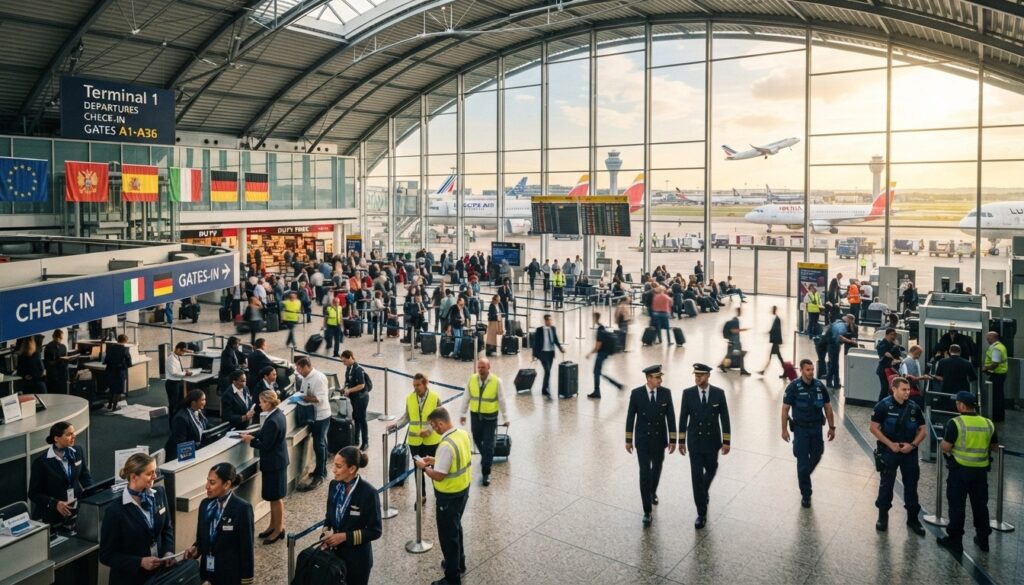
Airport operations rely on a complex, well-oiled machine of dedicated professionals. There are various roles within airports that offer opportunities for international talent to enter the aviation sector.
Each position requires specific skills—ranging from language proficiency to physical stamina. Understanding these roles helps align your expectations with the actual demands of the job market.
Anúncios
Passenger Services and Information
This sector is ideal for individuals with excellent communication skills and a knack for languages. Professionals in these roles answer questions, provide guidance to travelers, and assist passengers with connecting flights.
Check-in, Boarding, and Gate Agents
These professionals serve as the face of the airlines. Their responsibilities include verifying travel documents, weighing luggage, and managing passenger access to the aircraft.
Baggage Handling and Ground Operations
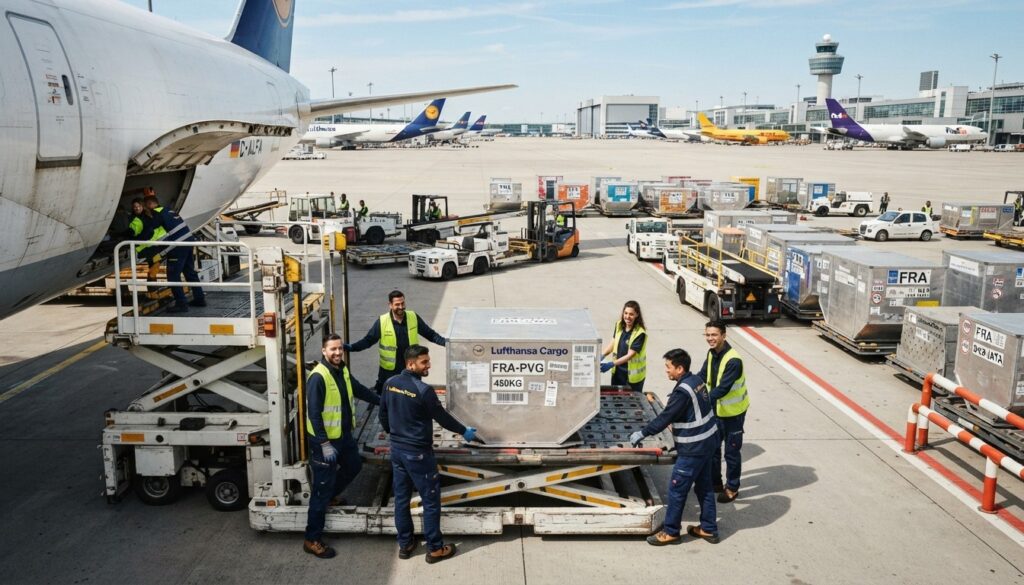
Ground operations require physical fitness and a keen focus on strict deadlines. The team is responsible for loading, unloading, and transporting luggage between the terminal and the aircraft.
Airport Security and Access Control
Airport security is a critical field that demands strict adherence to regulations. Professionals in this area monitor the flow of people and conduct inspections of carry-on baggage.
Cleaning, Maintenance, and Operational Support
Keeping the terminal in pristine condition is essential for a positive user experience. These roles ensure that common areas, restrooms, and runways are always maintained to the highest standards.
Retail, Food Service, and Airport Shops
Many airport jobs for foreign nationals are found in shops and restaurants. The primary focus here is customer service and the efficient sale of products and meals.
Administrative, Logistics, and Technology Roles
Technical and administrative support teams keep operations running behind the scenes. These positions typically require specific qualifications and prior experience in management or IT.
When looking for airport jobs as a foreigner, consider which area best aligns with your experience. Working at an airport offers a dynamic, multicultural environment for those looking to advance their careers.
Keep in mind that roles in airport security and other operational areas may require rotating shifts. Choosing from the various positions available at airports is the first step toward professional success abroad.
Most common requirements for working at European airports
Understanding the requirements for working at airports is the first step for anyone looking to build an international career.
The aviation sector is highly regulated, requiring candidates to meet strict standards to ensure the safety and efficiency of operations.
Legal authorization to work in the country
An essential starting point is having authorization to work abroad that is both valid and appropriate for the specific role.
Without the proper legal documentation, companies cannot formalize employment contracts, regardless of a candidate’s qualifications.
Always verify that your visa or residence permit allows for paid employment. Some permits are restricted to specific sectors or have limited durations that must be carefully observed.
Education, experience, and professional qualifications
Most positions require at least a high school diploma, while technical or administrative roles may call for a university degree.
Prior experience in customer service or logistics is a competitive advantage highly valued by recruiters.
Additional qualifications, such as language courses or customer service training, help your profile stand out. Be prepared to demonstrate how your previous skills apply to the dynamic environment of an airport.
Certificates required for security, logistics, and aviation
Roles that involve access to restricted areas require specific security clearances, often issued by local civil aviation authorities. These documents certify that an individual has undergone criminal background checks and is qualified to follow security protocols.
For positions in logistics and cargo handling, certifications for operating heavy machinery or training in workplace safety may be required.
Therefore, keeping these certifications up to date is essential to ensuring the continuity of your employment contract.
Physical requirements, scheduling availability, and reliability
Airport work is known for being physically demanding and dynamic. Many roles, such as baggage handling or cleaning, require good physical stamina and the ability to remain on one’s feet for long periods.
Furthermore, availability to work rotating shifts—including nights, weekends, and holidays—is a common requirement. Reliability and punctuality are fundamental pillars for anyone seeking to successfully obtain authorization to work abroad.
How to provide proof of experience gained abroad
To validate your professional background, compile a dossier containing reference letters, employment contracts, and course completion certificates. Documents issued in other countries should, ideally, be translated into the local language or into English.
Ensure that your letters of recommendation include verifiable contact information for former employers; this facilitates the review of your resume and provides the necessary assurance for a company to proceed with your hiring.
Languages that increase your chances of being hired
Mastering new languages is an essential competitive advantage for anyone looking for a career at international airports. The ability to communicate clearly not only facilitates service, but also ensures the safety and efficiency of daily operations.
When considering languages to work at airports, you must understand that each role requires a different level of proficiency. Fluency allows you to resolve problems quickly and provide excellent service to travelers.
The role of English in airport routines
English for working at an airport is often considered the lingua franca of global aviation, essential for dealing with passengers of different nationalities and for understanding technical manuals or safety protocols.
Even in countries where English is not the official language, ground and service teams use this language constantly. Having a good command of this language demonstrates that you are prepared for multicultural and dynamic environments.
When the local language becomes indispensable
Although English is vital, the local language becomes indispensable in situations of direct contact with authorities, regional service providers and passengers who do not speak other languages.
Knowing the language of the country where the airport is located makes it easier to integrate with the team and understand internal regulations.
In public service positions, speaking the local language conveys confidence and welcome, and is important for resolving bureaucratic issues or providing assistance in emergency situations.
Professional vocabulary for passengers and crews
To stand out, it is recommended that you familiarize yourself with technical terms and common expressions in the industry. Below, we list some fundamental concepts that you should master:
- Boarding pass
- Gate change
- Carry-on luggage
- Ground handling
- Security screening
How to demonstrate your language proficiency during the selection process
During interviews, be honest about your actual level of proficiency. You can verify your English language skills for airport-related roles through internationally recognized certificates, such as TOEFL or IELTS.
Additionally, be prepared to undergo practical tests, such as conversational assessments or the translation of technical documents. Demonstrating that you can remain calm and clear while speaking in another language is an excellent sign for recruiters.
Documents and permits before submitting applications
The journey toward a career in the European airport sector begins with handling the necessary paperwork. Before seeking opportunities, it is important to gather all the documents required for working abroad that prove your identity and legal eligibility.
Passport, visa, and residence permit
A valid passport is your primary form of international identification. In addition to this, you will need a specific visa or a work authorization that complies with the laws of your destination country.
Always check the expiration dates of these documents. Keeping your documentation up to date helps avoid unnecessary delays during the hiring process.
Tax identification number, local registration, and opening a bank account
To work formally, you will need to obtain a tax identification number in your chosen country. This registration is essential for tax purposes and for formalizing your employment contract.
Once registered, opening a local bank account makes receiving your salary easier. Many companies require employees to already have an active account in order to process monthly payments.
Resume, certificates, and sworn translations
Your resume should be tailored to European standards, highlighting your relevant experience. Certificates for technical or aviation-related courses must be accompanied by sworn translations to ensure that local authorities can understand your qualifications.
- High school or higher education diploma.
- Language course certifications.
- Proof of previous professional experience.
- Official translations of academic documents.
Background Checks and Security Requirements
The airport sector maintains extremely strict security standards. Consequently, expect to undergo thorough criminal background checks before receiving final approval for a position.
Be prepared to provide certificates of good conduct (or police clearance certificates) issued by your home country and, if applicable, the country where you currently reside. Transparency is essential for successfully obtaining authorization to work abroad.
Why You Should Never Start a Job Without Confirming Your Legal Status
Never accept a job offer without being absolutely certain that your legal status is in order. Working without the proper authorization can lead to heavy fines, deportation, and a ban on re-entering the country.
Always confirm with the employer whether the position includes support for regularizing your documentation. Prioritize companies that operate in full compliance with the law to ensure a secure and stable professional path.
Conclusion

Starting a career at European airports requires dedication, organization, and a clear vision of your professional goals.
Focus on official sources and recognized platforms to ensure that every step you take is secure and legitimate. Evaluating each offer with caution allows you to make smart financial decisions while adapting to a new work culture.
Professional growth comes to those who demonstrate consistency and a willingness to learn operational routines. By investing time in preparing your resume and improving your language skills, you open doors to valuable experiences at major international terminals.